


Plastic Waste And Its Challenges
Plastic waste or plastic pollution refers to the accumulation of plastic objects in the Earth’s environment that adversely affects wildlife, wildlife habitat, and human beings. Generally plastic waste is caused by the plastic which is not recycled and goes to landfills, dump sites and drainage systems.
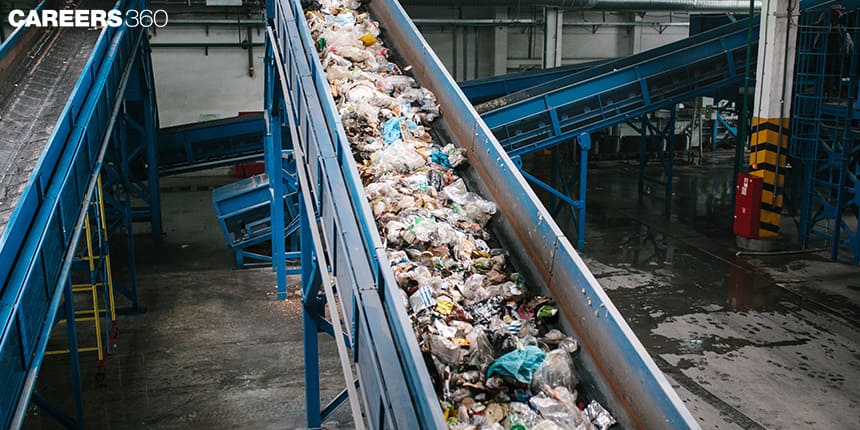
According to various international reports, more than three quarters of plastic is not recycled leading to pollution of oceans and damage to our ecosystem. Human beings worldwide rely heavily on plastic based products such as plastic bottles, food packaging containers, polyethylenes and many more.
With the increase in population and use of plastic due to lack of cheaper alternatives, the environment is at a greater risk leading to severe damage to natural ecosystems.
Plastic being an affordable, versatile and durable material, has been penetrated heavily in the human lives. Single use plastic is considered as most dangerous as it is not recycled and directly adds up to the plastic pollution. Once the plastic goes to the waste it affects us in multiple ways. Let’s understand how plastic waste harms the environment and human lives.
Also, read | Why Should I Learn About Electric Power?
Plastic Waste In The Ocean
Once the plastic comes to the garbage, if it is not disposed of properly, it goes to the drainage and river streams and ends up in the oceans. Eventually due to motion of plastic objects while navigating through river streams, it breaks down in multiple smaller pieces, polluting the environment and making plastic waste easily swallowed by marine animals.
Marine shipping and fishing industries are also responsible for contributing towards plastic waste and pollution. Plastic in the ocean comes from the fishing nets which get accumulated into the ocean.
In this process marine animals ingest the plastic and are exposed to plastic chemicals which affects the biological functioning of their marine animals.
The biggest problem with marine animals is plastic microbeads
Plastic microbeads are commonly found in toiletries such as facial scrubs, toothpastes, and shower gels pose the greatest danger for marine wildlife. Microbeads do not degrade over time and can transport toxic chemicals into marine organisms. As the marine animals ingest the microbeads, these toxic chemicals come into the human body via the food chain.
Plastic Waste On Land
Plastic waste released and dumped into the landfills generally leads to soil pollution. Chemicals are released from the plastic and go into the soil which damages the biological potential of the soil leading to degradation and erosion of the soil.
When the rain comes, toxic chemicals from the plastic waste percolates to the ground water which leads to intoxication of the groundwater. The toxic chemicals go to the agricultural fields as well causing damage to the crops.
Some volatile chemicals go into the air as well causing pollution of the environment leading to release of Greenhouse gases. The toxicity of the air increases thus leaving the area near landfill inhabitable for humans as well as wildlife.
Also, read | Topology: Applications and Its Subfields
Confused between CGPA and Percentage?
Get your results instantly with our calculator!
How To Reduce Plastic Waste
Biodegradable plastics are the plastics which can be broken down into carbon dioxide, water, and minerals through natural processes. Biodegradable plastics are more easily degradable plastics which can be used to minimise the risk associated with plastics. However, this is not enough. Other ways to reduce plastic pollution can be-
Reducing our plastic consumption, plastic waste recycling and completely avoiding the single use plastic products.
Switching from plastic materials to paper, cloth or glass as these materials are widely recycled.
Reducing the consumption of plastic water bottles, plastic bags, and straws can also make a huge difference.
Robust plastic waste management system must be deployed at grassroots level.
Considering the global scale of plastic pollution, we must recycle, reuse and reduce the usage of plastic. Our attitude and behaviour towards plastic must change to ensure a safe and healthy future for our planet.
Reducing plastic consumption and raising awareness about plastic recycling is crucial if we are to overcome the problem of plastic waste and pollution on our planet.
